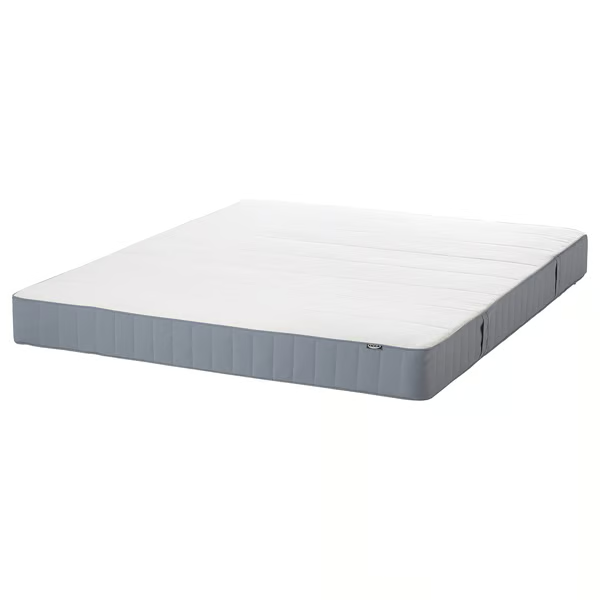
When it comes to better sleep, most people think about bedtime routines, room temperature, or limiting screen time. But one of the biggest factors influencing your sleep—and your overall health—is something you use every night: your mattress. The right mattress supports your body, protects your spine, and helps you wake up feeling refreshed instead of sore.
Below, we explore how mattress quality, firmness, and materials play a crucial role in sleep and long-term well-being.
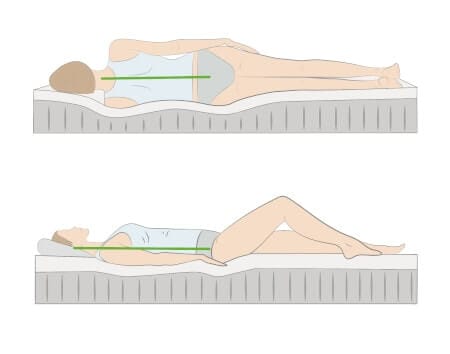
1. Your Mattress Supports Your Spine Alignment
A good mattress keeps your spine in a neutral position while you sleep. When your spine is properly aligned, muscles can relax instead of straining to compensate.
👉 A poor mattress can cause:
- Back, neck, or shoulder pain
- Muscle stiffness
- Numbness or tingling
- Waking up feeling unrested
If you frequently wake with aches, your mattress might not be giving you the support you need.
2. Mattress Firmness Impacts Sleep Quality
Different people need different levels of firmness. There is no “one type fits all,” but choosing the right firmness can help reduce pressure and improve comfort.
General guidelines:
- Soft mattresses work best for side sleepers who need cushioning for hips and shoulders.
- Medium-firm mattresses suit most people, balancing comfort and support.
- Firm mattresses are good for back and stomach sleepers who need stronger support.
A mattress that’s too soft causes sinking, while one that’s too firm creates pressure points.
3. Quality Materials Can Improve Comfort and Hygiene
Mattress materials influence breathability, durability, and even allergy symptoms.
Common mattress materials:
- Memory Foam: Contours to your body, great for pressure relief.
- Latex: Naturally breathable, supportive, and eco-friendly.
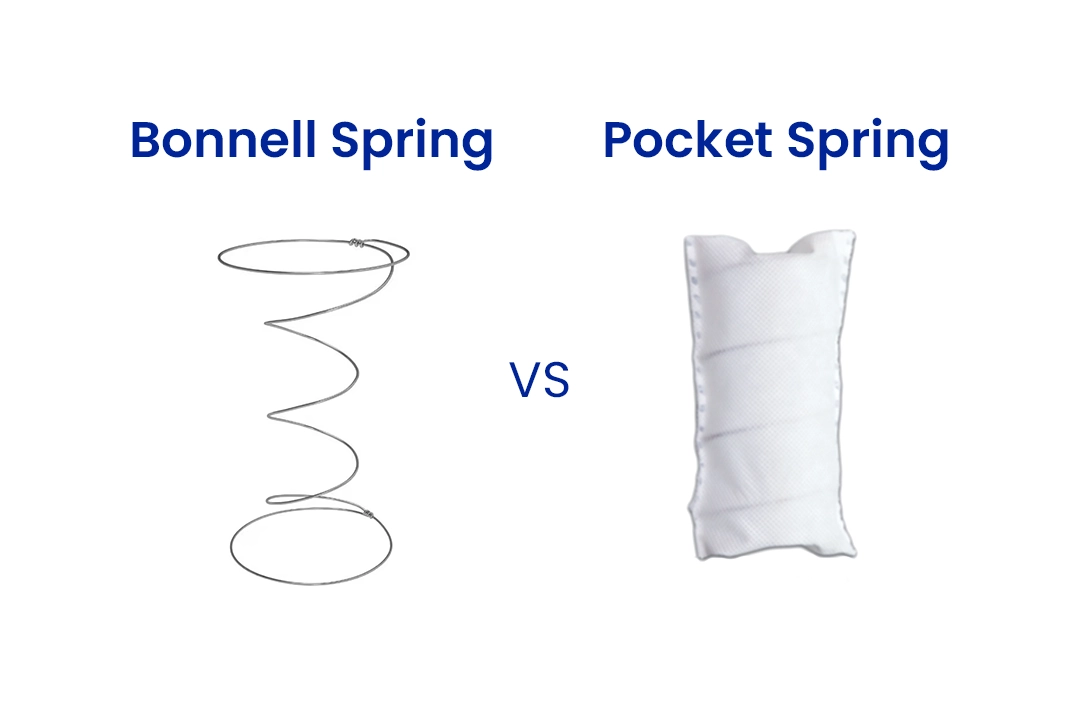
- Hybrid: Combines springs + foam for balanced support and comfort.
- Spring/Coil: Traditional, supportive, and often more affordable.
High-quality materials can stay supportive longer and resist sagging that leads to pain.
4. Your Mattress Affects Body Temperature
If you wake up sweating, your mattress might be to blame. Some materials trap heat, causing discomfort and sleep interruptions.
Look for:
- Gel-infused memory foam
- Breathable latex
- Hybrid mattresses with airflow
- Moisture-wicking mattress covers
A cooler sleep surface improves deep sleep and overall rest.
5. Mattresses Influence Allergy and Respiratory Health
Dust mites, mold, and allergens can build up in older mattresses. These irritants can trigger sneezing, coughing, or breathing discomfort at night.
To protect your health:
- Replace your mattress every 7–10 years
- Use hypoallergenic covers
- Keep your sleeping area clean and well-ventilated
This helps maintain a healthier sleep environment.
6. An Old Mattress Affects Mental and Physical Wellness
Poor sleep doesn’t just cause tired mornings—it can affect mood, concentration, and long-term health.
A mattress that no longer supports you can impact:
- Stress levels
- Productivity
- Athletic recovery
- Immune system function
Investing in a good mattress is really an investment in your overall well-being.
7. Signs It’s Time to Replace Your Mattress
You may need a new mattress if you notice:
- Sagging or lumps
- Squeaking or noisy springs
- Waking up sore
- Tossing and turning more often
- Better sleep on other beds (like hotels)
If your mattress is past its lifespan, replacing it can dramatically improve sleep quality.
Final Thoughts
Your mattress is a foundation for healthy sleep. The right one provides support, comfort, and a clean environment that helps your body recover each night. If you’re struggling with sleep or recurring aches, your mattress might be the silent cause—and upgrading it could be the key to better rest and better health.
 flamingo.mattress@euromattress.com.my
 6074280126
 6012-3318635